


A Guide to Wool, Merino, Linen, Cotton and Natural Dyes
NATURAL CHARACTER
Natural fibres rarely remain exactly as they were on the day you bought them. Linen becomes softer. Cotton relaxes. Wool recovers after wear. Naturally dyed cloth can shift gradually in tone. These changes are part of the material, and understanding them makes caring for clothing much simpler. Many of the designers we stock at HAVN choose natural textiles precisely because they have character. For example, Aviva Jifei Xue works with silk slub, linen and fibres whose irregularities remain visible; Gathering celebrates cloth that softens and develops through use, Wanze uses dense Japanese cotton that is hand-dyed and sun-dried, and Lemaire repeatedly works with washed cotton, wool, silk and fabrics designed to gain a patina. The aim of care is not to stop these materials changing. It is to help them age well.
WOOL
Wool is an unusually capable natural fibre. Its crimped structure gives it elasticity and allows the textile to trap insulating air. Wool can absorb moisture vapour while still feeling relatively dry, helping regulate temperature across changing conditions. It also resists odour and staining particularly well, which means wool garments generally require less frequent washing.
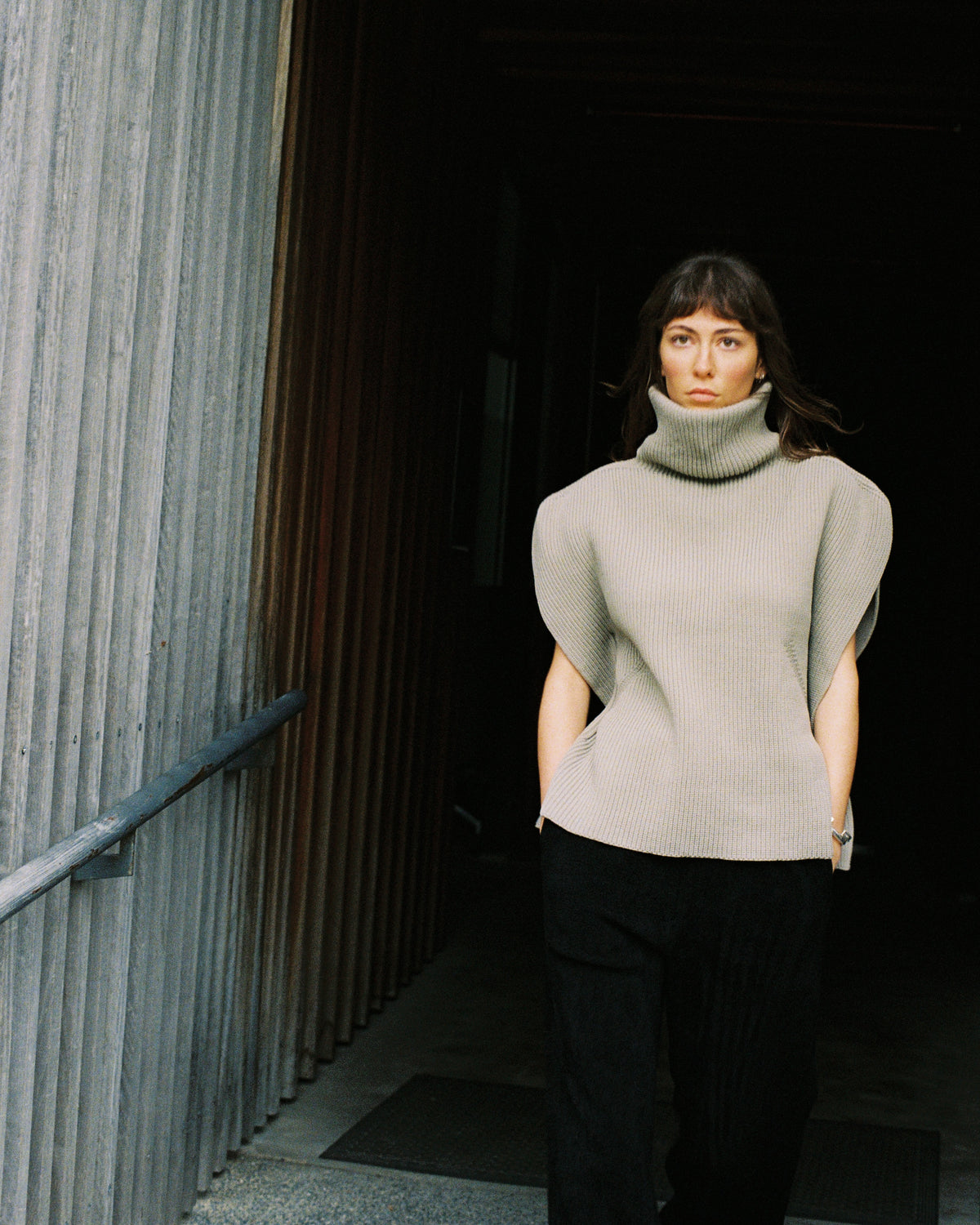
Washing is not always the first answer. Often, airing is enough. After wear, allow a wool jacket, trousers, or knitwear to rest. Woolmark recommends giving wool time to recover between wears; the natural elasticity of the fibre helps it return towards its original shape. Woven wool can also be brushed gently to remove surface dust before it works further into the fabric.
How to wash wool
Always begin with the care label. Tailored wool garments can contain canvases, linings, shoulder construction and trims that require professional cleaning even when the outer textile itself could tolerate water.
For washable wool:
- Turn the garment inside out.
- Separate dark and light colours.
- Select a wool or delicate cycle, or hand wash if instructed.
- Use a small amount of neutral wool detergent.
- Avoid heavy-duty biological detergents, bleach and enzyme-rich formulas.
- Reshape after washing.
- Dry according to the label.
A neutral, mild detergent protects the fibre better than aggressive conventional laundry products.
Drying wool
Knits are generally best dried flat. Water adds considerable weight to a wet sweater; hanging it can stretch the shoulders and body before the fibres dry. Lay the garment flat, gently return it to shape and leave it at room temperature away from strong heat and direct sunlight. Woolmark specifically recommends drying wet wool away from direct sun or heat.
For storage, the distinction is useful: Hang woven wool. Fold knitted wool.
Merino Wool
Merino is wool from Merino sheep, distinguished by particularly fine fibres. That fineness creates the softness associated with Merino and allows it to be worn comfortably closer to the skin. The fibre combines insulation with breathability, moisture management, natural elasticity and resistance to odour. These properties explain why Merino appears in seemingly opposite wardrobes: fine tailoring, lightweight knitwear and technical base layers.
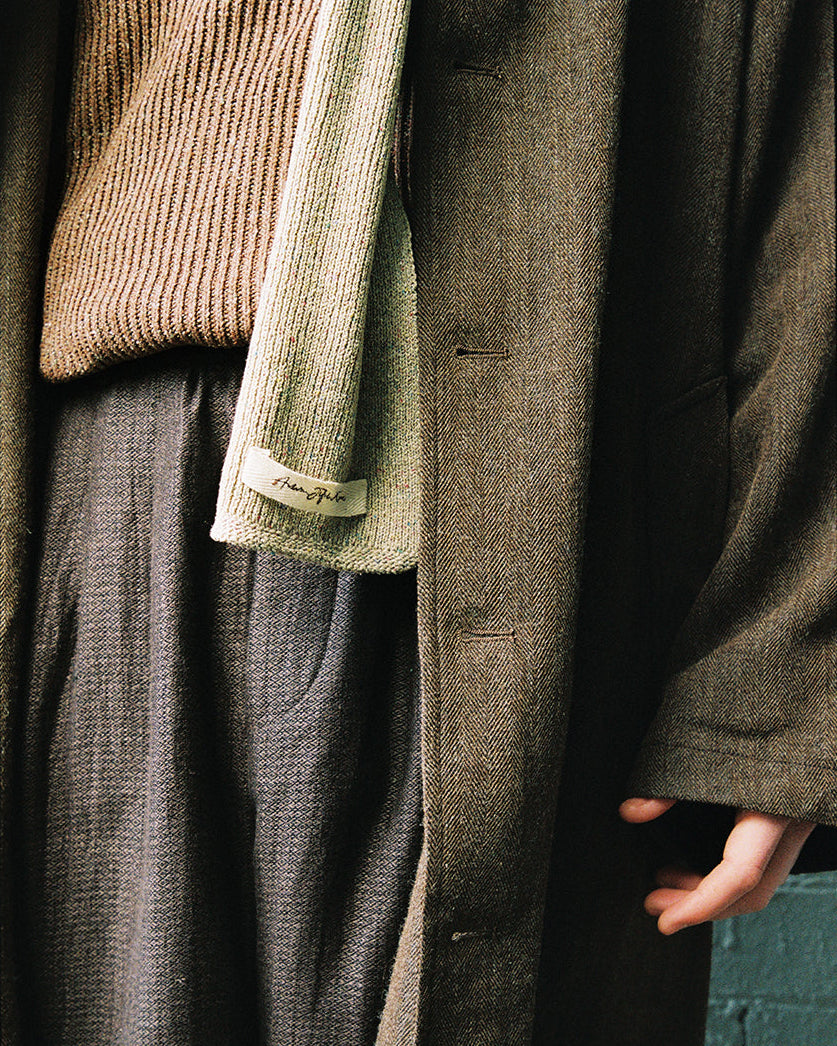
Caring for Merino
The same principles as wool apply. Wear it more than once when appropriate. Air it between uses. Wash only when needed. Many modern Merino garments are machine washable, but the label is decisive. Some have been treated specifically to improve resistance to felting and shrinkage during laundering.
Use a wool cycle and neutral detergent where permitted. Avoid aggressive washing and high heat. Dry knitwear flat unless the care label explicitly allows tumble drying.
What about pilling?
Pilling is not automatically a sign of poor-quality wool. Loose fibres can migrate to the surface and tangle through friction, particularly in areas such as the underarms, sides and where a bag rubs against the garment.
Remove pills gently with an appropriate wool comb or fabric shaver. Do not pull them aggressively from the surface. With many high-quality wool garments, initial pilling reduces once shorter loose fibres have worked their way free.
LINEN
Linen is made from flax. It is valued for its strength, breathability and unmistakably dry hand. The fibre absorbs moisture readily and feels cool against the skin, making it especially comfortable in warm weather. Linen also has relatively low elasticity. That is why it creases so readily. Those creases are not a flaw in the textile. They are part of its character. With washing and wear, linen gradually becomes softer and more relaxed while retaining its distinctive texture. The Alliance for European Flax-Linen and Hemp notes that linen tolerates machine washing well and becomes increasingly supple through laundering.
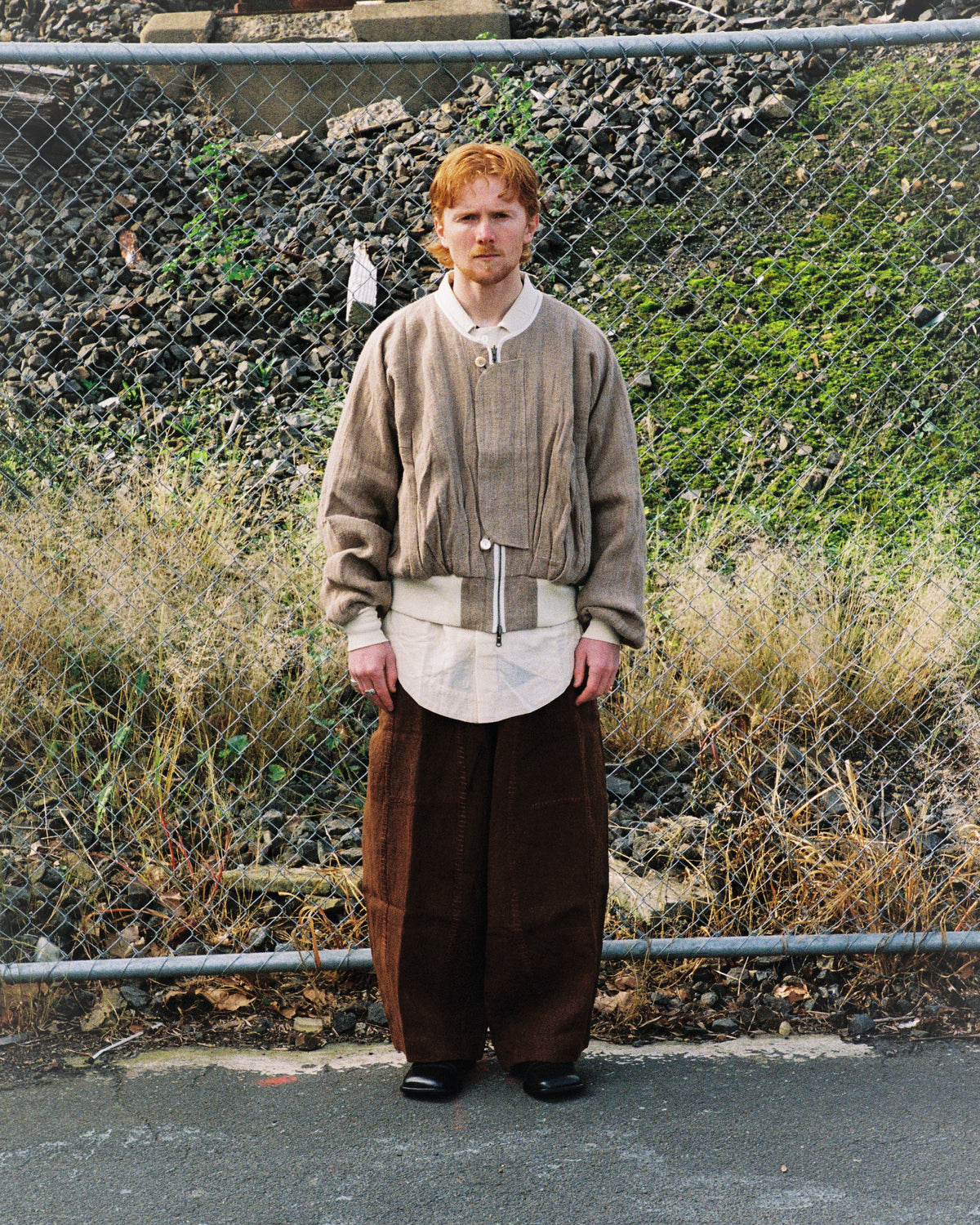
How to wash linen
First follow the garment label, especially where tailoring, unusual dyeing or mixed fibres are involved.
For washable linen:
- Separate colours.
- Use a gentle detergent without bleaching agents.
- Wash using the temperature stated on the care label.
- Avoid overloading the machine, giving the fabric room to move.
- Remove promptly after the cycle.
Linen fibres themselves are strong, but details such as seams, dyes and garment construction still deserve a gentler approach.
Drying linen
Air drying works particularly well.
Shape the garment while damp and allow it to dry naturally. Strong tumble drying can exaggerate creasing and may cause shrinkage depending on the construction.
If you enjoy linen's relaxed surface, ironing may be unnecessary.
For a cleaner finish, press while the fabric is still slightly damp.
COTTON
Cotton is familiar enough that its complexity is easy to overlook. Different yarns, weave densities and finishing methods can turn the same fibre into lightweight poplin, soft jersey, rigid denim, moleskin, canvas or dense twill.
This is why "100% cotton" tells only part of the story.
A tightly woven Japanese cotton like those used by Wanze behaves differently from a washed cotton shirt or a heavy garment-dyed trouser. The construction and finish matter as much as the raw fibre.
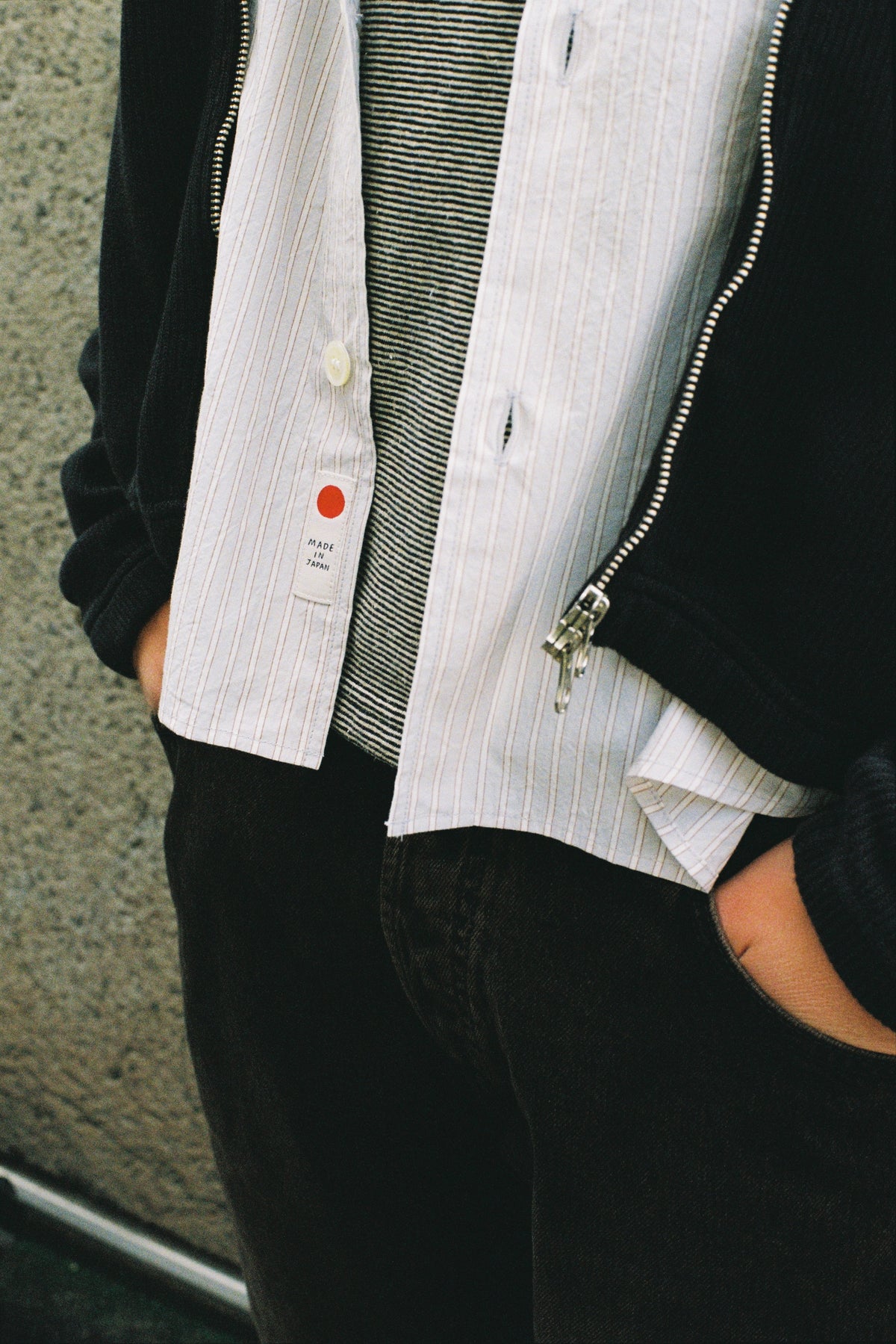
How to care for cotton
Again, start with the care label. For most everyday cotton garments:
- Wash colours together at a moderate or cool temperature.
- Turn darker or garment-dyed pieces inside out.
- Use a mild detergent.
- Avoid unnecessary bleach.
- Air dry when practical.
- Keep high dryer temperatures to a minimum.
Heat accelerates shrinkage and can place unnecessary stress on both colour and fibre.
Denim, heavy twills and garment-dyed cottons often benefit from less frequent washing. Spot cleaning and airing can extend the interval between full washes.
Garment Dyeing and Natural Dyeing
Colour does not always sit on fabric in the same way. Industrial piece dyeing can produce very stable, uniform colour. Garment dyeing colours a finished piece, allowing seams and construction to absorb pigment slightly differently and creating more depth.
Natural dyeing introduces another set of variables. Plant materials, minerals, water chemistry, fibre type, mordants, time and temperature can all influence the final colour. The result can contain variations that would be seen as inconsistencies in conventional industrial dyeing but become part of the character of naturally coloured cloth.
Some dyes have exceptional longevity. Others shift gradually through exposure to washing, friction and light. That change should be understood before it is judged.
Natural Dye Processes
Natural dyes can come from roots, bark, leaves, flowers, insects and other biological sources. Indigo is one of the best-known examples, but it behaves differently from many other natural colours. Instead of penetrating deeply into the fibre in the same way as some dyes, indigo forms colour at the surface through a reduction and oxidation process. With friction and washing, those layers gradually wear away. This is why indigo denim develops fades at the knee, thigh, pocket and seam.
The wearer becomes part of the finishing process. Other natural dyes may require a mordant — a substance that helps bond colour to the fibre. Fibre type matters too: protein fibres such as wool and silk react differently from cellulose fibres such as cotton and linen.
There is no single rule for the washfastness of every naturally dyed garment. Dye, mordant, textile and process all matter. Botanical Colours notes that adequate dyeing time and bonding influence washfastness, illustrating why individual processes can behave differently.

Caring for Naturally Dyed Clothing
For naturally dyed garments, gentleness is useful.
Follow the maker's label first. Where no specific instructions are supplied:
- Wash only when needed.
- Use cool water.
- Choose a mild, pH-neutral detergent.
- Wash separately or with similar colours, particularly during early washes.
- Turn garments inside out.
- Avoid bleach and aggressive stain treatments.
- Air dry away from prolonged direct sunlight.
- Do not leave damp garments folded against lighter textiles.
Sunlight is capable of changing colour, especially over long exposure. This is true of many dyes, natural and synthetic, but botanical colour can be particularly expressive in the way it ages. Some variation should be expected.
Hand-Dyed and Sun-Dried Cotton
Dense Japanese cotton gives a useful example of how finishing changes the life of a familiar fibre. The cloth is hand-dyed and then sun-dried, producing greater depth in the colour and a dry, papery surface. The dense twill begins crisp and structured, then softens through wear.
Trying to preserve that fabric in an untouched state would miss the point. Its character develops through repeated handling, movement and washing. The same principle applies to many garment-dyed pieces: abrasion at edges, seams and pockets may gradually make the construction more visible.
That is patina.
Caring for clothes means understanding them
Fleece is relatively simple to look after.
Wash it only when required, using the garment's care instructions and a mild detergent. Lower temperatures and gentle cycles reduce unnecessary stress on the textile.
Avoid fabric softener. It can coat synthetic fibres and interfere with moisture management.
Fleece should also be kept away from excessive heat. Polyester is thermoplastic, so very high dryer or iron temperatures can damage the surface.
Because fleece is synthetic, washing can release microfibres. Washing less often, using full loads and using a microfibre-catching laundry bag or washing-machine filter where available can reduce fibre release.