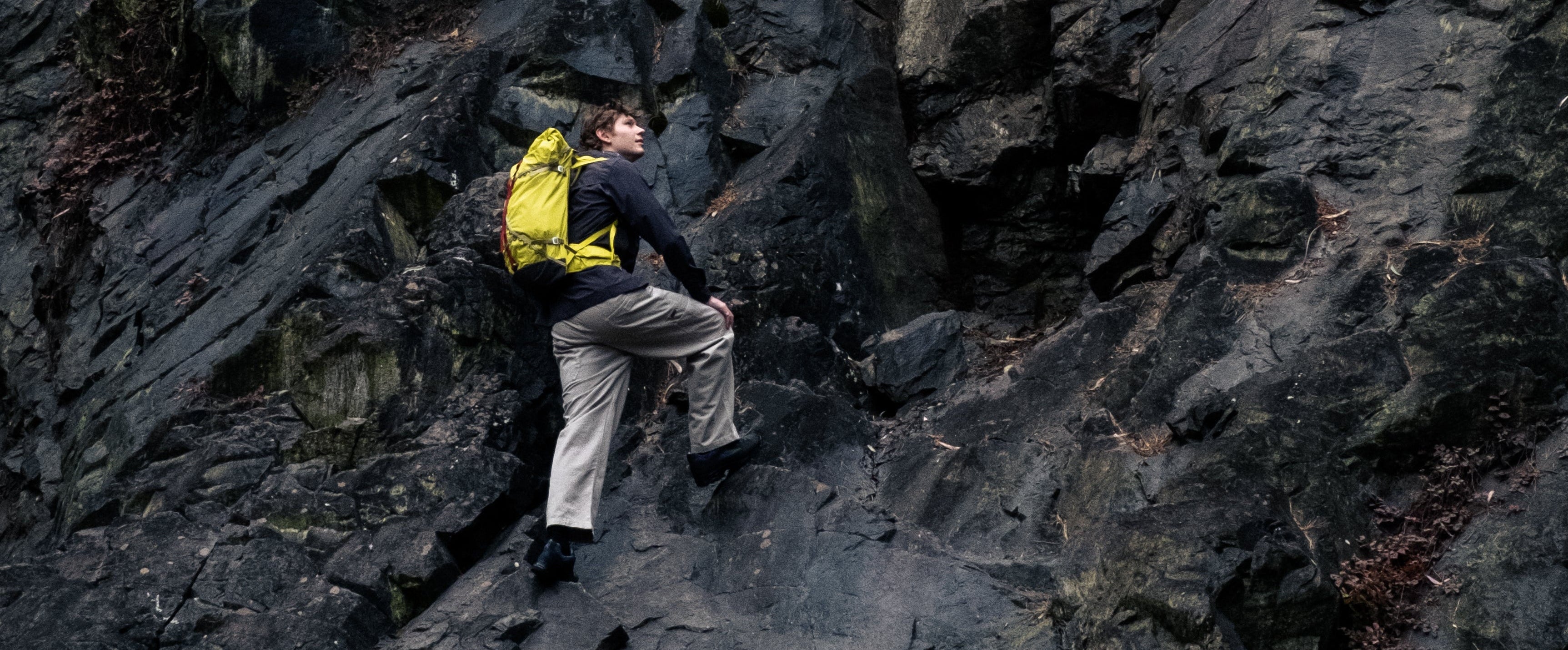
A Guide to Technical Fabrics, Insulation & Garment Care
Built for Weather
Technical clothing works because each material has a specific job. A waterproof membrane keeps rain out. A tightly woven shell manages wind. Fleece traps warm air without carrying much weight. Down creates exceptional insulation through loft. These materials often perform best when they are clean. Dirt, body oils and detergent residue can interfere with breathability, water repellency and insulation, so washing technical clothing is part of maintaining it, not something to avoid. The first rule is always simple: check the care label inside the garment. Construction, trims, insulation and finishes vary between products, and the manufacturer's instructions take priority.
GORE-TEX®
GORE-TEX fabrics use a membrane system designed to provide durable waterproof protection while allowing moisture vapour generated by the body to escape. The result is a fabric that protects from external weather while remaining breathable during movement.
The name covers several technologies with different priorities.
GORE-TEX Performance
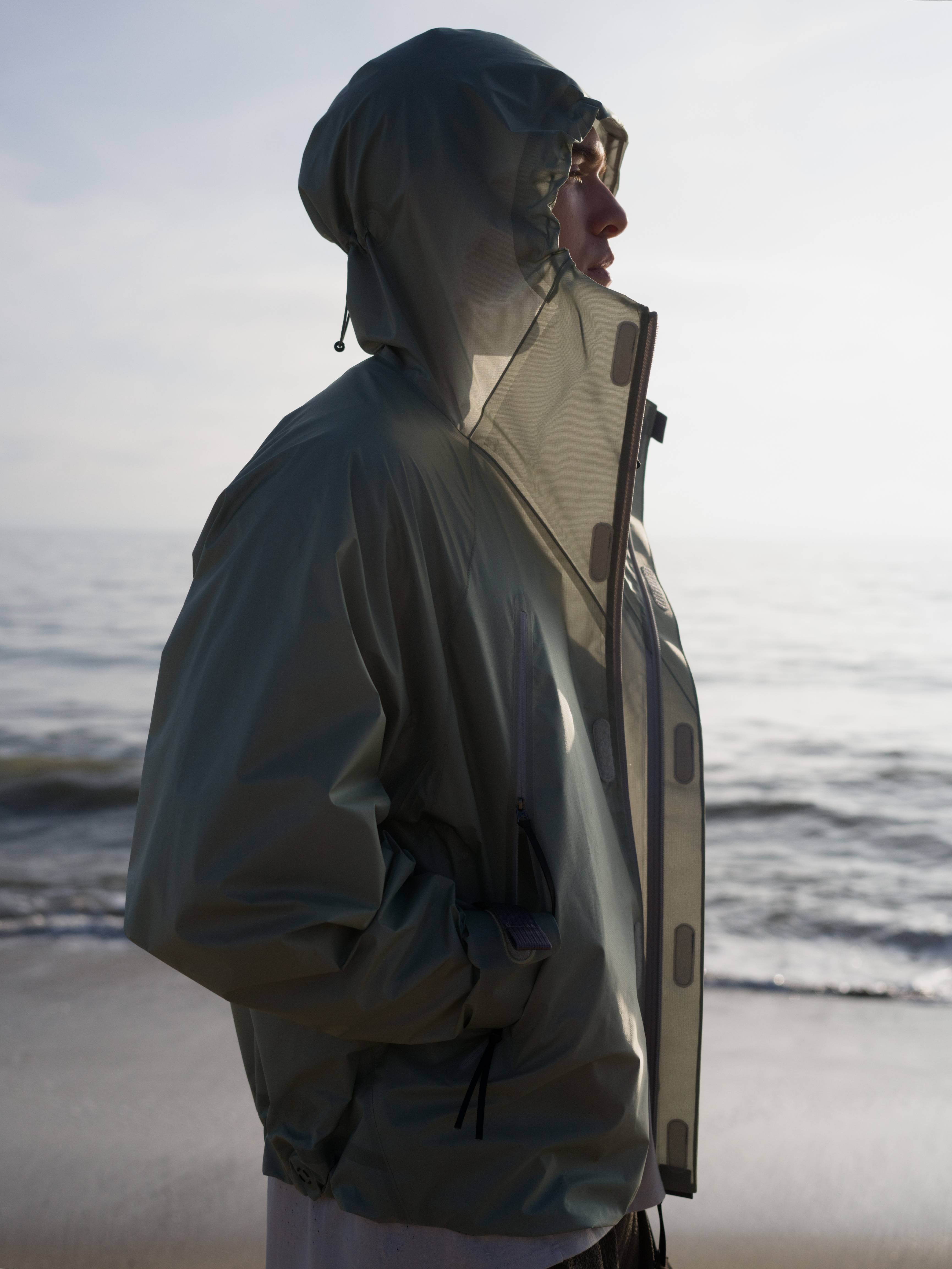
Designed as an all-round waterproof solution, GORE-TEX Performance balances weather protection, breathability and durability across a wide range of outdoor conditions. This is the versatile middle ground of the GORE-TEX family: dependable protection without the heavier construction required for the most demanding mountain environments.
GORE-TEX PRO
Built for prolonged exposure to severe environments, GORE-TEX PRO places greater emphasis on durability and rugged performance. It is commonly found in technical shells intended for alpine climbing, mountaineering and demanding winter pursuits.
WINDSTOPPER® by GORE-TEX LABS
WINDSTOPPER® prioritises wind resistance and breathability rather than complete waterproof protection. While it comfortably handles light showers, it is designed primarily for cold, windy conditions where airflow is the biggest challenge.
Pertex®
Pertex develops lightweight technical fabrics that combine wind resistance, weather protection and breathability through different weave structures and membrane technologies. Rather than a single fabric, Pertex is a family of materials designed around specific performance outcomes.

Pertex Quantum Air
Engineered with greater air permeability, Quantum Air increases breathability during movement, making it ideal for active insulation.
Pertex Quantum Pro
Combining the lightweight characteristics of Quantum with enhanced weather resistance, Quantum Pro is commonly used in insulated outerwear exposed to snow and light precipitation.
Pertex Shield
A waterproof membrane system designed for lightweight shell garments, balancing waterproof protection with breathability.
Pertex Equilibrium
Using a double-weave construction, Equilibrium moves moisture away from the body while providing wind resistance on the fabric's outer face.
Klättermusen Fabrics
Rather than relying solely on third-party textile technologies, Klättermusen has developed many of its own fabrics to meet the specific demands of mountaineering. Each material is designed around a clear purpose, whether that be waterproof protection, abrasion resistance, freedom of movement or long-term durability.
Many of these proprietary fabrics are also developed with reduced environmental impact in mind, using recycled or bio-based fibres where appropriate and avoiding fluorocarbon-based treatments wherever possible.
Cutan®
Cutan® is Klättermusen's proprietary waterproof and breathable membrane technology, developed as an alternative to traditional PTFE-based waterproof membranes. Built around a hydrophilic polyurethane membrane, Cutan® fabrics combine waterproof protection with breathability while remaining soft, flexible and naturally stretchy. They are also produced without PTFE and are designed to support PFAS-free production.

3-Layer Cutan®
Designed for the most demanding environments, the three-layer construction laminates an abrasion-resistant face fabric, waterproof membrane and protective backer into a single textile. This provides maximum durability for alpine climbing, ski touring and extended mountain use.
2.5-Layer Cutan®
Replacing the inner backer with a protective printed layer reduces weight and bulk while maintaining waterproof performance. The result is a highly packable shell suited to fast-paced hiking and lightweight mountain travel.
2-Layer Cutan®
The two-layer construction combines the waterproof membrane with an outer face fabric and relies on a separate lining for protection and comfort. It offers a softer feel while maintaining reliable weather protection.
Klättermusen's family of fabrics runs deep; please see the link below for more info.
INSULATION
Insulation works by trapping warm air. Whether natural or synthetic, every insulated garment is designed around this same principle, the difference lies in how each material responds to changing conditions.
Down vs Synthetic
Down
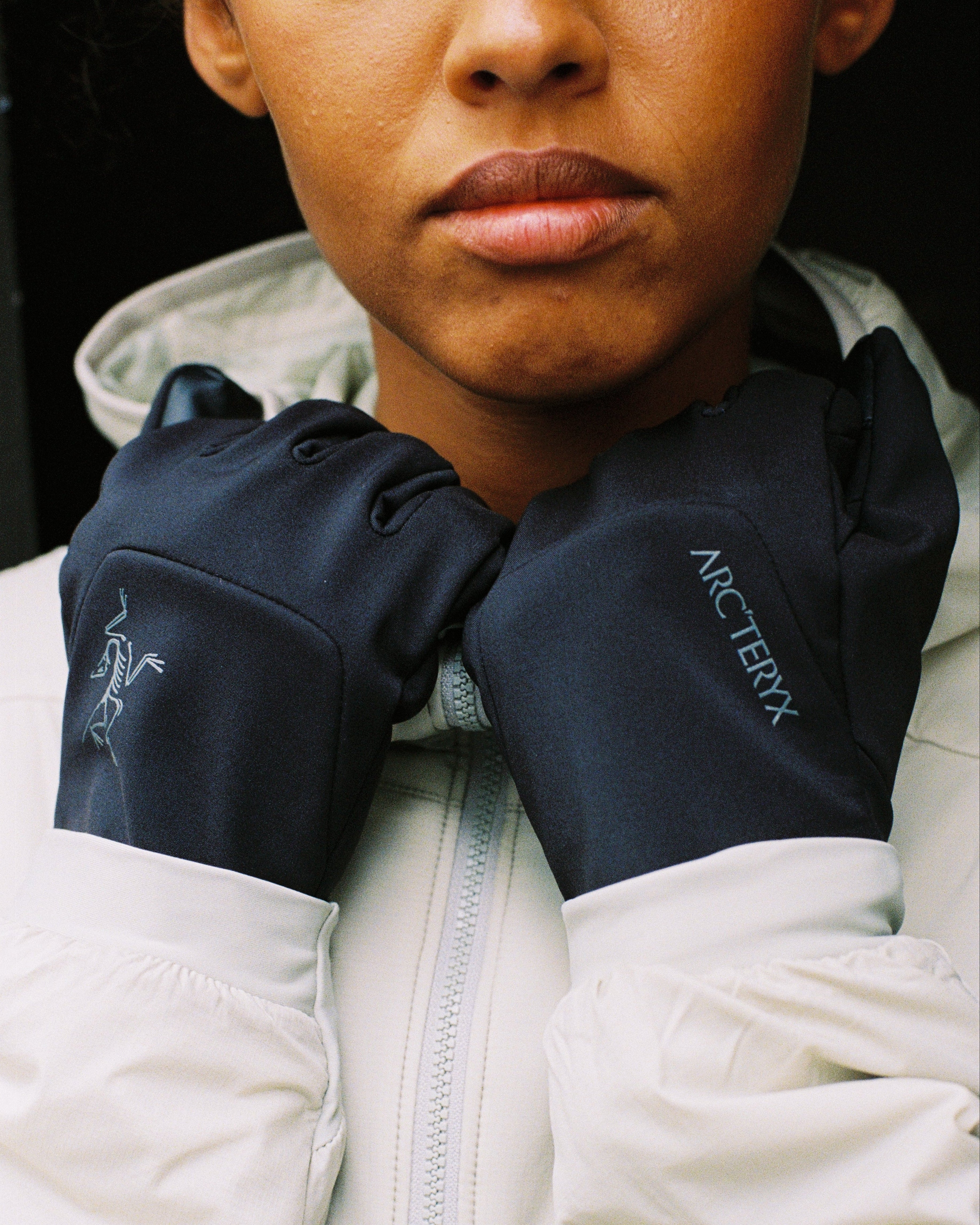
Down remains the benchmark for lightweight warmth. Fine clusters create thousands of tiny air pockets that trap heat while remaining remarkably light and compressible. Because its performance depends on loft, keeping down clean helps restore its ability to fully expand after repeated wear.
Synthetic Insulation
Synthetic insulation replaces natural clusters with engineered polyester fibres that continue to trap warmth even in damp conditions. This makes synthetic fills particularly well suited to changeable climates, higher-output activities and everyday outerwear where moisture is more likely to become a factor.
PrimaLoft®
Originally developed for the US military, PrimaLoft® has become one of the most widely used synthetic insulation systems in technical apparel. Its ultra-fine fibres deliver lightweight warmth, excellent compressibility and dependable performance in wet conditions, making it a popular choice for insulated jackets, gloves and footwear.
Other proprietary systems, like Arc'teryx Coreloft™ share many of these characteristics while being tailored to the design requirements of individual brands.
Polar Fleece
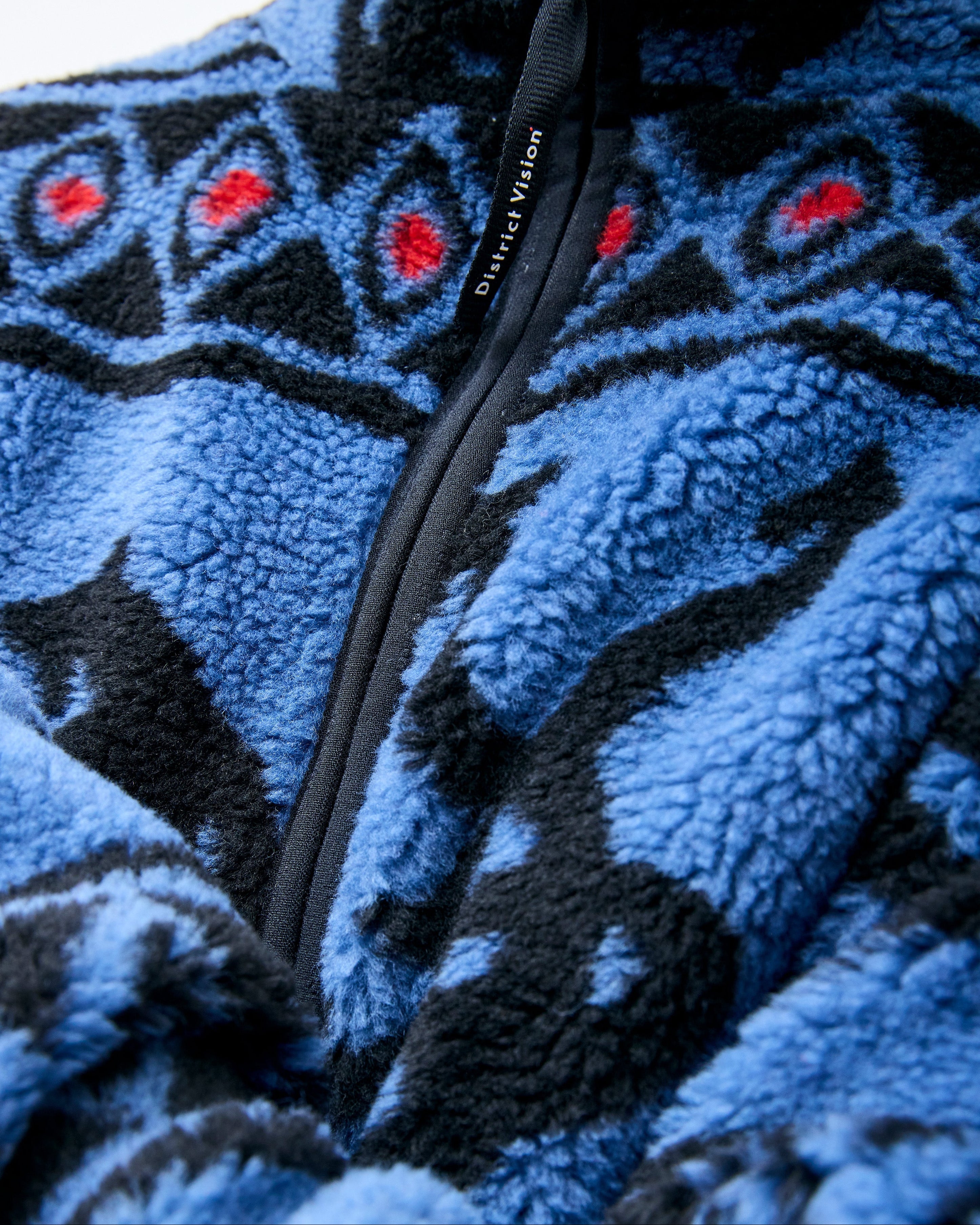
Fleece is usually made from polyester fibres engineered to create a raised surface that traps warm air. Its strengths are straightforward: it is light, breathable, quick drying and continues to insulate effectively in damp conditions. This makes it particularly useful as a midlayer during active use. Different constructions change the result. Dense fleece can prioritise warmth and wind resistance. Open or grid structures increase airflow and move moisture more quickly.
Caring for Technical Garments
Technical clothing performs best when clean. Contrary to popular belief, washing waterproof shells and insulated jackets isn't harmful when done correctly. In fact, regular cleaning removes the dirt, body oils and contaminants that gradually reduce breathability, insulation and water repellency. Always begin by checking the garment's care label before laundering.
What is DWR?
DWR (Durable Water Repellent) is the treatment applied to the face fabric of many waterproof garments, causing water to bead and roll away from the surface. As the treatment gradually wears away, the outer fabric may begin absorbing moisture. Washing followed by low-heat tumble drying often restores much of its effectiveness. When water no longer beads after cleaning, a compatible DWR treatment can be reapplied.

How to Wash GORE-TEX®
- Close all zips and fastenings.
- Machine wash at approximately 40°C, following the garment care label.
- Use a dedicated technical detergent such as Nikwax Tech Wash® or Grangers Performance Wash
- Rinse thoroughly.
- Tumble dry on low heat where permitted to help reactivate the DWR finish.
Avoid:
- Powder detergent
- Fabric softener
- Bleach
How to Wash Pertex®
Pertex fabrics benefit from regular cleaning to maintain breathability and water repellency.
Wash using:
- Nikwax Tech Wash®
- Grangers Performance Wash
Follow the garment's care label, rinse thoroughly and tumble dry on low heat where permitted.
If the garment uses down or synthetic insulation, always follow the care recommendations appropriate to the insulation inside.
How to Wash a Down Jacket
Although many people avoid washing down, regular cleaning actually helps restore loft.
Before washing:
- Check the care label.
- Close all zips and fastenings.
- Inspect the garment for damage.
Wash using:
- Nikwax Down Wash Direct®
- Grangers Down Wash
Avoid:
- Standard laundry detergent
- Fabric softener
- Bleach
Dry on low heat where permitted, adding clean tennis balls or wool dryer balls to gently redistribute the down as it dries.
Complete drying is essential before storage.
How to Wash Synthetic Insulated Jackets
Synthetic insulation generally requires less specialised care than down while still benefiting from regular cleaning.
Wash using:
- Nikwax Tech Wash®
- Grangers Performance Wash
Avoid:
- Fabric softener
- Powder detergent
- Bleach
Many synthetic insulated jackets can be tumble dried on low heat to help restore loft.
Unlike down, synthetic fills do not require dryer balls or manual redistribution during drying.
How to Wash Your Klättermusen Garments
Klättermusen garments are designed for prolonged use, and regular care helps maintain both performance and longevity.
For waterproof Cutan® shells and WindStretch™ softshells:
- Always follow the garment's care label
- Wash using a dedicated technical outerwear detergent, such as: Nikwax Tech Wash® or Grangers Performance Wash
- Avoid fabric softener, bleach and powder detergents
- Rinse thoroughly after washing.
- Tumble dry on low heat where permitted to help reactivate the durable water-repellent finish
Caring for fleece
Fleece is relatively simple to look after.
Wash it only when required, using the garment's care instructions and a mild detergent. Lower temperatures and gentle cycles reduce unnecessary stress on the textile.
Avoid fabric softener. It can coat synthetic fibres and interfere with moisture management.
Fleece should also be kept away from excessive heat. Polyester is thermoplastic, so very high dryer or iron temperatures can damage the surface.
Because fleece is synthetic, washing can release microfibres. Washing less often, using full loads and using a microfibre-catching laundry bag or washing-machine filter where available can reduce fibre release.
Technical clothing should be washed
There is an old assumption that expensive outerwear should be washed as little as possible. Technical garments often work the opposite way.
Skin oils, sunscreen, dirt and sweat accumulate in face fabrics, linings and membranes. Over time these contaminants can affect moisture transfer and the performance of water-repellent finishes. Cleaning a shell correctly is maintenance.
The same principle applies to insulation. Down performs through loft; fleece through trapped air; membranes through controlled movement of water and vapour. Keeping those systems clean helps them continue doing what they were designed to do. Technical clothing is equipment. Good care keeps it working.
Storing Technical Clothing
Technical garments should always be stored clean and completely dry.
Avoid compressing down jackets for extended periods, as prolonged compression reduces loft over time. Hang waterproof shells where possible, allowing the membrane and face fabric to remain free from unnecessary creasing.
Taking a little extra care between wears helps technical clothing continue performing season after season.